How Meditation Can Improve Your Riding
Horse riding is often seen as a physical skill. Riders focus on balance, position, aids and technique. While these elements are important, experienced horse people know that riding is much more than that.
Horses are extremely sensitive animals. They respond not only to the rider’s physical signals but also to the rider’s emotions, tension and nervous system.
This is one of the reasons why meditation can significantly improve your riding.
Horses Mirror the Rider’s Inner State
Many riders have experienced moments when their horse suddenly becomes tense, distracted or resistant without an obvious reason. Often the explanation lies in the rider’s inner state.
Horses are highly attuned to body language, breathing patterns and subtle changes in tension. When a rider feels nervous, frustrated or stressed, the horse often reflects that tension.
This is why you may notice patterns such as:
- a tense rider creating a tense horse
- a distracted rider losing the horse’s attention
- a calm rider helping the horse relax.
In other words, your horse often mirrors your nervous system. Learning to regulate your inner state can therefore change the way your horse responds to you.
Why Meditation Helps Riders
Meditation is not only about relaxation. It is a practice that helps develop awareness, emotional regulation and presence. For riders, these qualities are incredibly valuable.
Regular meditation can help you:
- become more aware of tension in your body
- calm your breathing and nervous system
- improve focus and mental clarity
- develop patience and emotional balance.
When you bring these qualities into your time with horses, communication becomes clearer and more harmonious.
Calm Rider, Calm Horse
One of the most common observations among horse professionals is simple:
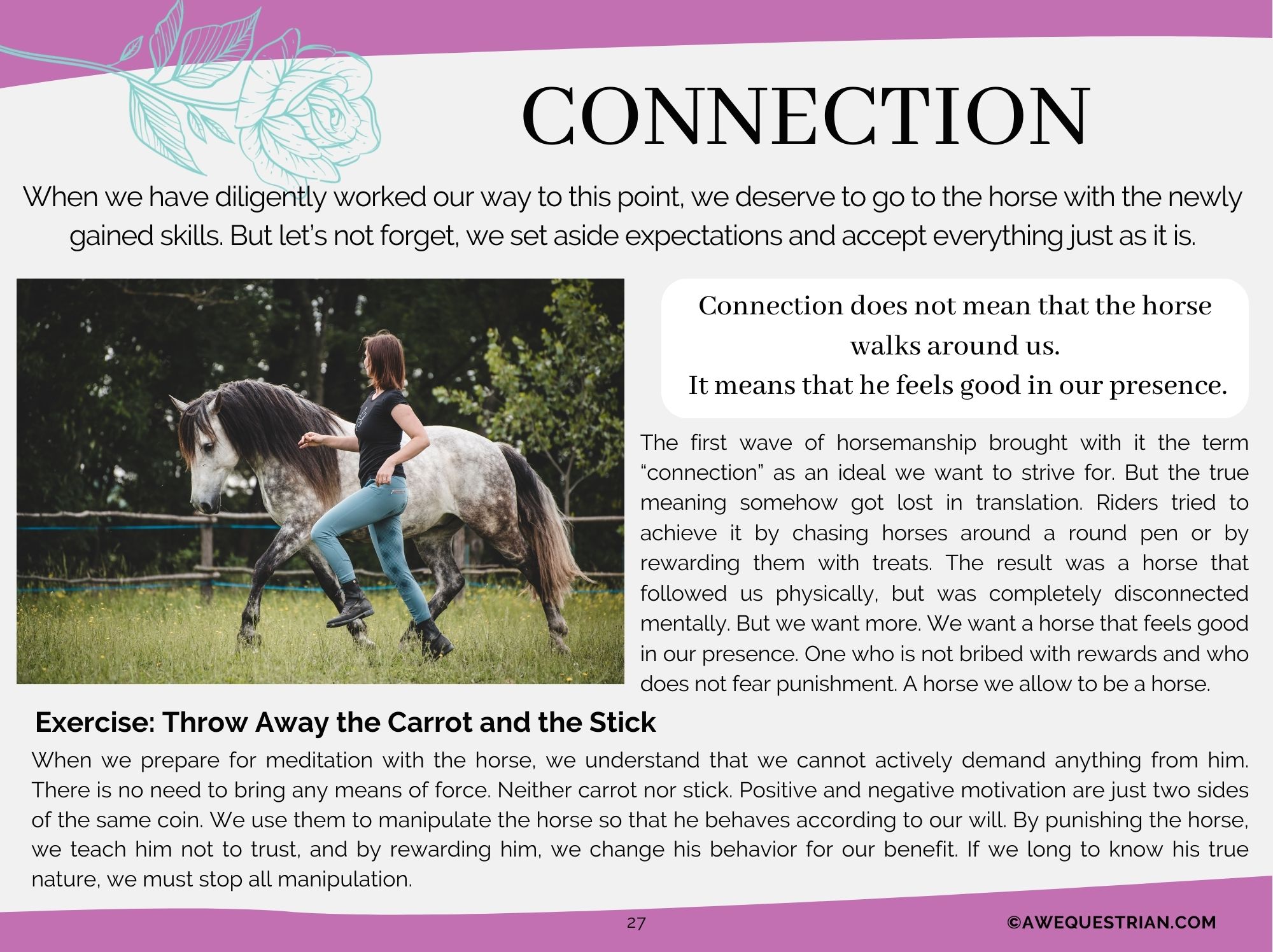
A calm rider often creates a calm horse. When a rider enters the stable in a grounded and relaxed state, horses often respond by becoming more curious, attentive and cooperative. Meditation can help create this state more consistently.
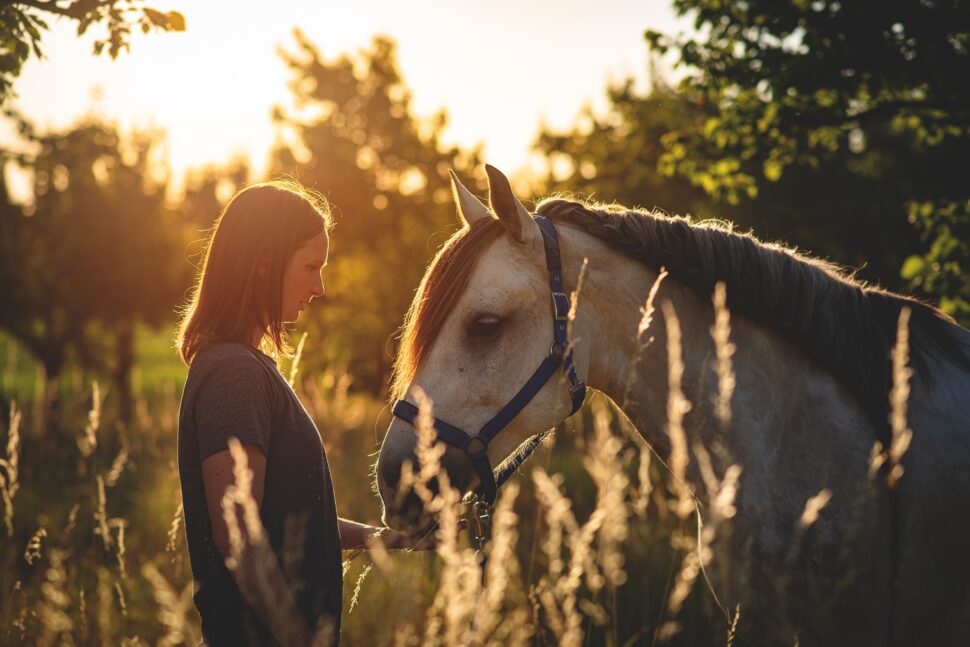
Instead of bringing stress from daily life into the stable, you learn how to slow down, breathe and become present. For the horse, this creates a sense of safety.
Meditation Before Riding
Many riders find it helpful to practice a short meditation before getting into the saddle. Even five minutes of calm breathing and mental focus can change the entire riding session.
A short pre-ride meditation can help you:
- release tension from the body
- focus your attention
- slow down your breathing
- become mentally present
When you approach your horse in this state, communication often becomes smoother and more intuitive.
Meditation With Horses
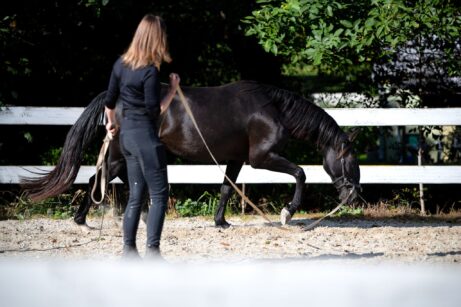
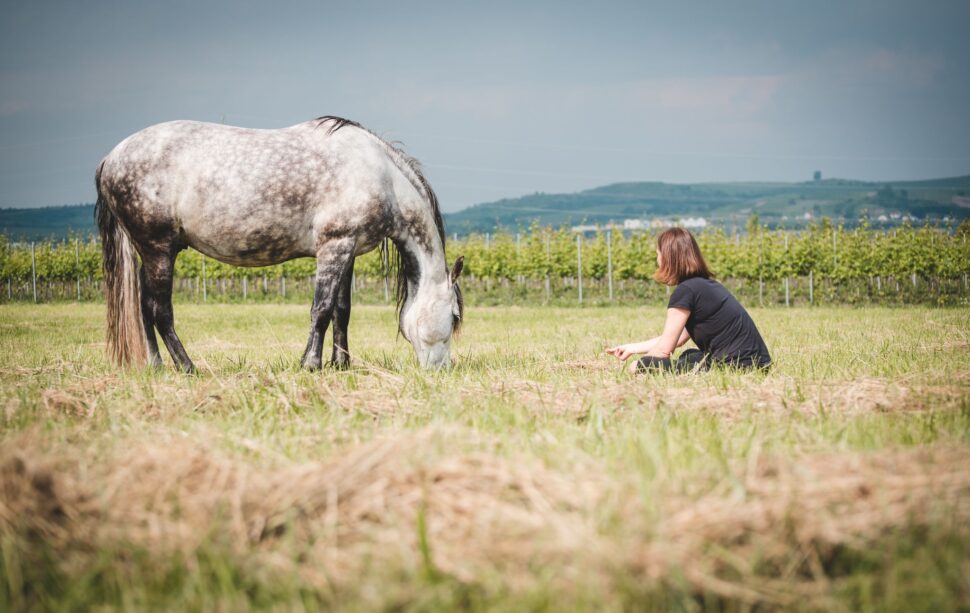
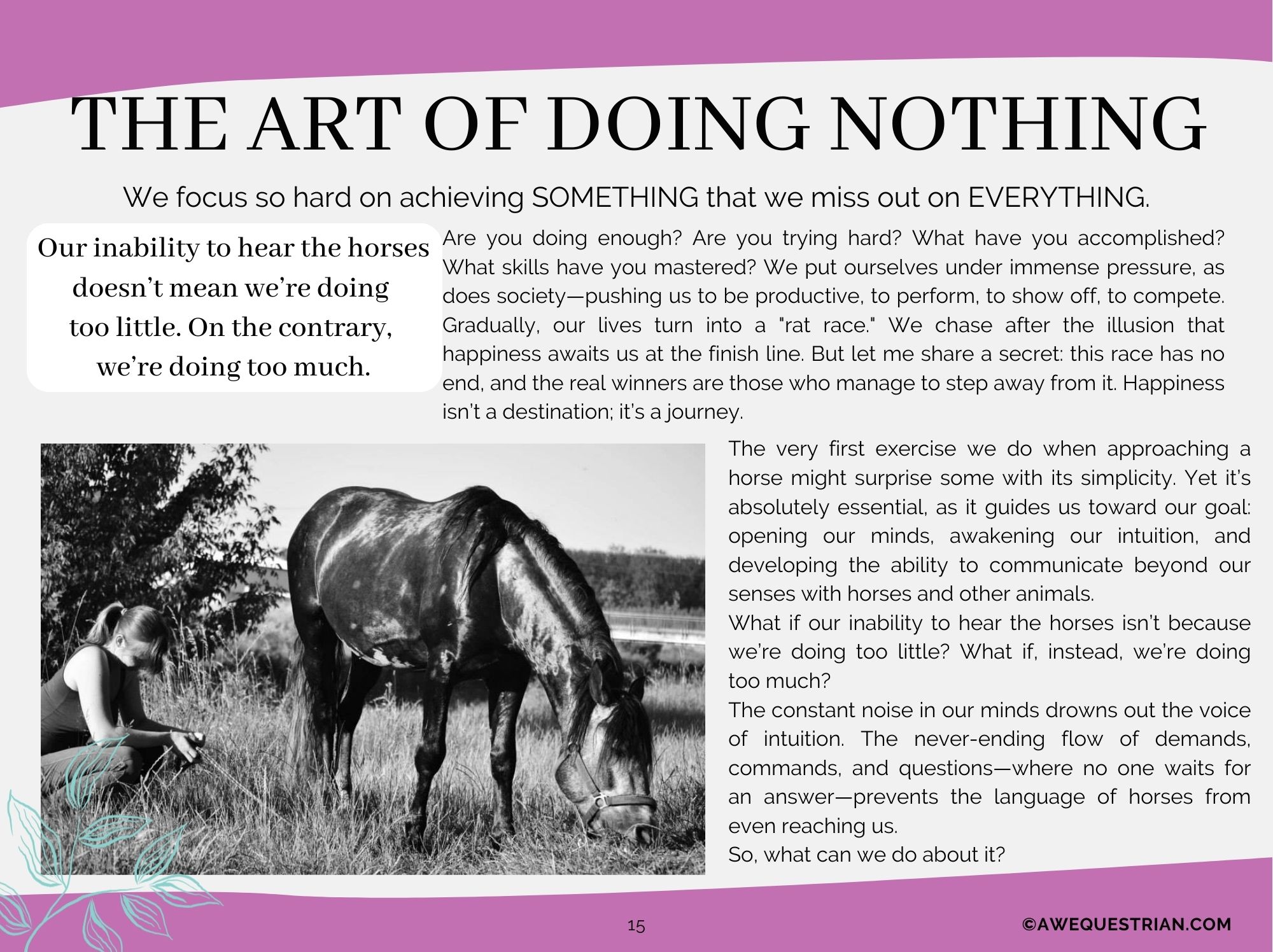
Some riders also practice meditation directly near their horses. Standing quietly beside a horse and focusing on breathing can create a surprisingly powerful moment of connection.
Horses often respond to this calm presence by lowering their head, relaxing their body or becoming curious and attentive. These quiet moments can deepen the relationship between horse and human.
A More Conscious Approach to Horsemanship
Meditation is not about becoming a perfect rider. It is about becoming a more aware one.
When riders develop awareness of their body, emotions and nervous system, many riding challenges begin to change naturally. Communication becomes clearer. Tension decreases. The partnership with the horse becomes more cooperative.
This more conscious approach to riding is at the heart of the philosophy behind Awakened Equestrian.
Learn Simple Meditation Practices for Riders
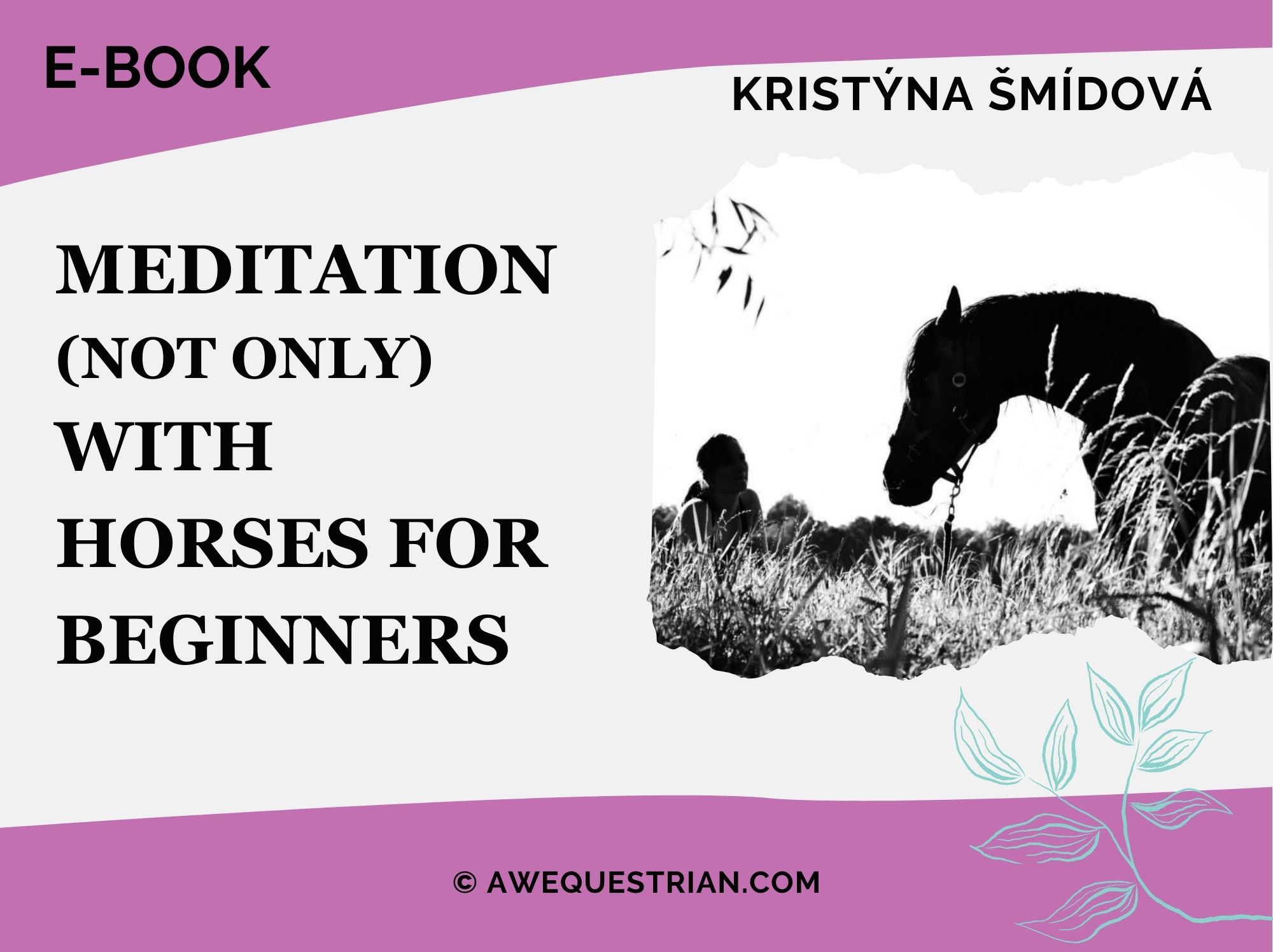
If you are curious about how meditation can support your riding, the ebook Meditation with Horses for Beginners introduces simple practices designed specifically for riders and horse lovers.
The exercises are easy to follow and suitable even if you have never tried meditation before. They can help you bring more calm, awareness and connection into your time with horses.
Because sometimes the biggest improvement in riding does not come from training the horse — but from learning to slow down and listen.
Read more